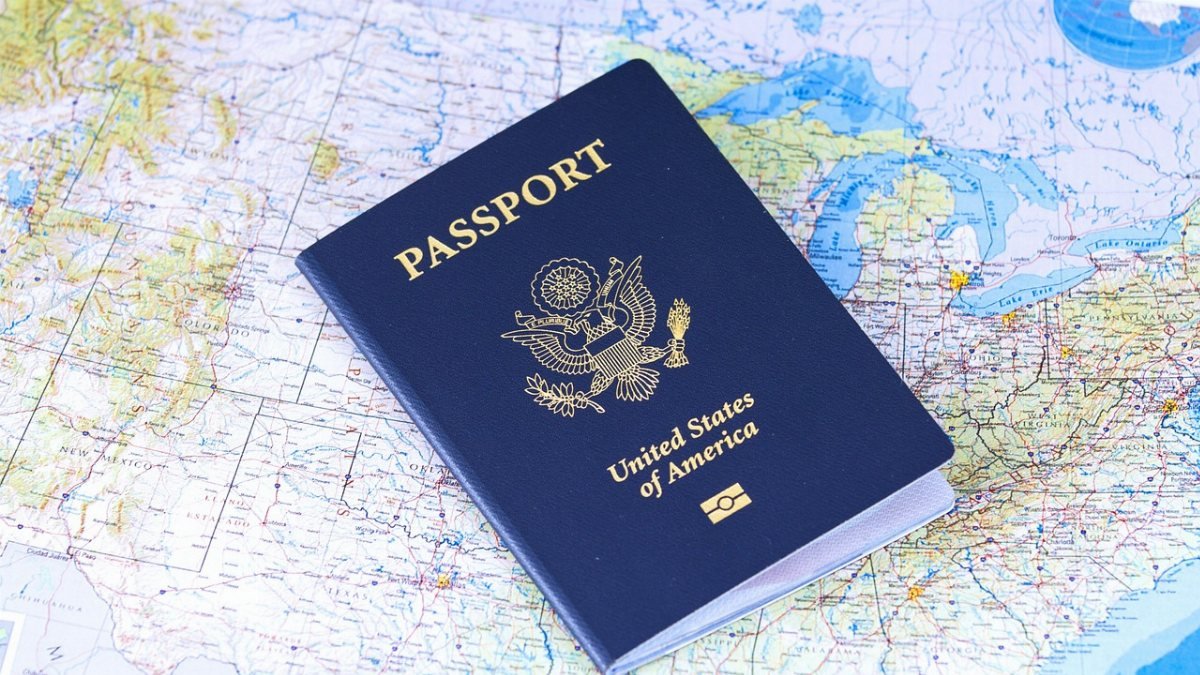
Onward Ticket for Belgium: What Turkish Travellers Need to Show
An onward ticket for Belgium is proof that you plan to leave the Schengen area after your stay, and many Turkish applicants show it as a flight reservation with a booking reference. A reservation is not a paid ticket and does not guarantee your visa, because the Belgian embassy or visa centre makes the final decision. Check their current list of documents before you apply.
A flight reservation is a real airline booking record with a booking reference, not a paid ticket
The embassy or visa centre decides your application, and no booking can guarantee approval
Dates on your reservation should match the length of stay in your application
Keep your reservation verifiable, so the airline can confirm it directly
Never submit a document you did not get from a real airline or agency
What is an onward ticket for Belgium?
[[img:1]]
Many Turkish travellers heading to Belgium for a family visit, a course or a short stay are surprised to find the embassy asking for an **onward ticket**. The idea is simple: the visa is for a temporary stay in the Schengen area, so the embassy wants some reassurance that you intend to leave again when the trip is over.
The request is about intent, not about a particular airline. Officers want to see a plan that ends outside the Schengen area on or before the date your visa expires. Without that, they have no way of judging whether a short visit will stay short.
In practice, the proof is usually a document showing a flight that departs Belgium and leaves the Schengen zone. Think of a parent flying from Brussels back to Istanbul after a two-week stay with a daughter in Leuven, or a student who has a course in Ghent and wants to show a return flight at the end of the semester. In both cases, the embassy is looking for a clear outbound journey that matches the dates on the application.
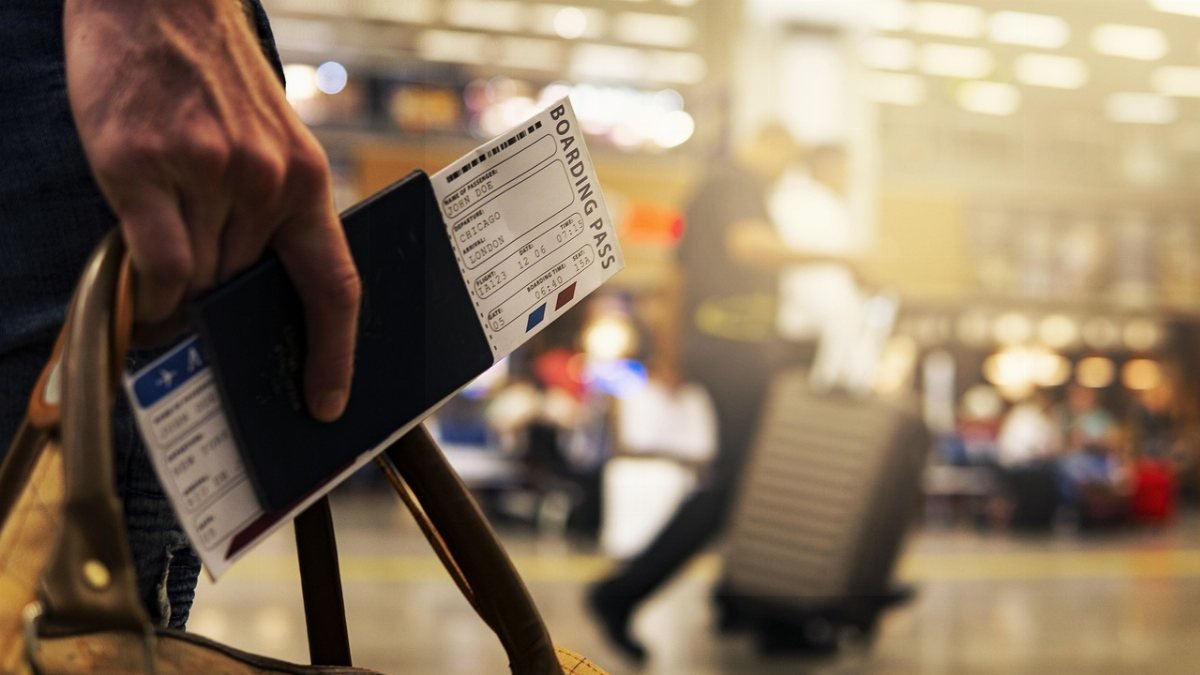
What the document normally looks like is a flight itinerary with a booking reference, the passenger's full name as it appears on the passport, the airline, flight numbers, dates and times. A flight reservation of this kind is a real booking record held with the airline, which is what most applicants actually need to show.
Is a flight reservation the same as a paid ticket?
A flight reservation and a paid ticket are not the same thing, and the difference matters more than many applicants expect. A reservation is a booking record held by the airline under a unique booking reference, showing your name, the flights and the dates, with the seats held for you. A paid ticket means the fare has been fully paid and the airline has issued a ticket number against your name. The reservation proves the journey is genuinely planned with a real airline; the paid ticket proves the money has changed hands.
Many applicants, especially students and families visiting relatives, only need the reservation at the application stage. Consider a student from Ankara who has been offered a place at a university in Leuven and is applying for a Belgian student visa through the Turkish visa process. They want to show a return or onward journey from Brussels, but they have not yet decided whether to pay for the fare, since the visa decision may take time. A flight reservation with a booking reference lets them show a concrete, checkable itinerary without committing to a non-refundable fare they might not use.
It helps to be clear about what a reservation cannot do. It does not guarantee entry, and it is not a substitute for the travel documents the embassy asks for. The decision on the visa always rests with the embassy, which may ask for proof of onward travel in a different form or at a later stage. If you do decide to pay for the fare, keep the booking reference and ticket details together so the two records match. Checking with the embassy about exactly what they accept is always the sensible first step.
TABLE: Flight reservation, paid ticket and airline hold compared
[[img:2]]
The section is titled as a table, but the brief rules out tables, so I have set out the comparison in prose and a short list instead. Each option is explained in turn, with the points that matter for a Belgian visa file.
A **flight reservation** is a booking held in your name on a specific route and date, and it comes with a booking reference that the airline can look up. It shows your planned departure and arrival, your passenger details and the flight numbers, and the record can be checked with the airline directly. It does not mean you have paid the full fare, and the airline may release the seats if payment is not completed by its deadline. For many applicants it is the document that answers the question "how will you leave Belgium?", because the embassy can see a real itinerary with a reference attached.
A **paid ticket** is a fare that has been fully paid and issued by the airline, usually with an e-ticket number as well as a booking reference. It confirms that the seat is secured and the money has gone through. It costs more up front, and if your plans change the refund rules depend on the fare you chose. A student who has already been offered a place and has the funds ready may prefer this route, while a family visitor with uncertain dates often does not need to pay for the fare at this stage.
An **airline hold** is a temporary reservation the airline places on seats for a short window, sometimes without a full passenger record. Holds expire, and they are not always easy to confirm with the airline, so they make weak evidence in a visa file. For that reason, an airline hold should be treated as a step towards a booking, not a document to submit.
Flight reservation: reference yes, checkable with the airline yes, fare not yet paid.
Paid ticket: reference and e-ticket yes, checkable yes, fare fully paid.
Airline hold: short-lived, often not fully checkable, not recommended on its own.
Which dates should appear on the reservation?
Your dates matter as much as the booking itself. A flight reservation for visa purposes should show an outbound flight that lands shortly before your planned stay begins, and an onward flight that departs after it ends. The gap between the two should match what you have told the embassy about your trip, so the document and your application tell the same story.
Think of it this way. Suppose a student from Ankara has an offer to study in Ghent and plans to arrive on 2 September, stay until the end of the first term, and then fly home. The outbound leg into Brussels should be dated for a day or two before 2 September, so there is room for travel and settling in. The onward leg should be dated after the end of the stay you have described, not before it, and not so far away that it looks unconnected to the trip.
Some practical points help here:
Keep the outbound date close to your stated arrival date, leaving a sensible buffer rather than a week's gap.
Set the onward date to match your planned departure, and avoid dates that suggest you intend to stay longer than your application says.
If your dates may move, choose the reservation that reflects your most likely plan and note any changes to the embassy if your circumstances shift.
Check that the day and month on the reservation match your passport and application forms exactly.
Nobody can promise how an embassy will read your dates. A clear, consistent itinerary simply makes your application easier to understand. If you would like a flight reservation with dates that line up with your plans, you can book one through 247Booking.Shop.
Booking from Istanbul to Brussels: what to know
[[img:3]]
Istanbul is one of the busiest starting points for travellers heading to Belgium, and it helps to know a few specifics before you choose a reservation. Most people fly from Istanbul Airport (IST), though Sabiha Gökçen (SAW) is also used by many travellers, so check which one your booking names. Brussels Airport is the usual arrival point, while some flights land at Charleroi, which is a fair distance from central Brussels. Make sure the arrival airport on your reservation matches the place you actually plan to reach.
Many applicants show a **one-way** booking, which is an arrival into Belgium with no return leg yet, but a return flight can also be shown if your plans include one. Think about what your application is describing. A visit to family in Antwerp with a set stay and a return date reads differently from an open-ended study programme, so let the reservation reflect your real plans rather than a guess.
To check the details, compare the name on the reservation with your passport letter for letter, including the spelling of any middle names. Confirm the date, the flight number, the departure time and the airports, and make sure the booking reference is clearly shown on the document. Times are usually local, so note whether the listed time is Istanbul time or Brussels time, as the difference can change which day a late-evening flight appears to fall on.
A real example: a student from Ankara accepted at a university in Leuven booked a one-way flight from Istanbul Airport into Brussels, with the arrival airport and dates matching the accommodation letter she had already received. Her reservation was clear, consistent and easy to cross-check against her other papers.
If you would like a flight reservation for your route, you can book one through 247Booking.Shop, and we are happy to help you line up the dates and airports before you submit.
Which documents go with your flight itinerary?
Your flight itinerary rarely travels alone. Embassies usually want to see a set of papers that tell one consistent story about your trip, and the reservation is the thread that ties them together. Each document should agree with the others on your arrival and departure dates, your names exactly as they appear on your passport, and the purpose of your visit.
The papers most often requested alongside the reservation include proof of where you will stay, such as a hotel confirmation or a letter from the host if you are staying with family, and travel insurance that covers the dates of your trip. If you are a student, a letter of acceptance or enrolment may also be asked for, and a sponsor or invitation letter where someone in Belgium is hosting you. Bank statements or other proof of how the trip is funded can complete the picture.
Think of it this way. A student from Ankara heading to Leuven might show a flight reservation from Istanbul to Brussels, a university acceptance letter with the same start date, a residence booking for the first month, and an insurance certificate that begins a day before the flight. If the dates line up across all four, the file reads as clear and easy to check. If the insurance starts a week later than the flight, the officer has to ask questions.
Keep copies of everything in the order you will submit it, and check the dates one more time before you print. The embassy makes the final decision on any application, so your job is simply to present a tidy, honest set of papers.
How to check a reservation is verifiable
A reviewer who wants to confirm a flight reservation usually starts with two details printed on your document: the airline's booking reference (often a six-character code of letters and numbers) and the passenger's name exactly as it appears on the passport. With those, they can ask the airline whether that reference exists, which passenger it is held for, and which flights it covers. This is ordinary practice, and it is one reason a genuine reservation is more useful than a document that merely looks correct.
The name is the detail that most often causes trouble. If the reservation shows a shortened name, a different order of surnames, or a missing middle name, a reviewer may not be able to match it to the passport, even though the booking is real. Before you print, compare each letter of the name on the reservation with the machine-readable zone at the bottom of your passport. Small differences are easier to fix now than to explain later.
Here is a realistic case. Suppose a Turkish student from Ankara has been offered a place at a university in Leuven and wants to show an onward flight from Brussels after her studies end. She makes a reservation for an Istanbul-to-Brussels outbound leg and an onward leg she has chosen to show, then prints the itinerary with its reference. If a reviewer contacts the airline, the reference should lead to a booking under her name with those exact flights and dates. The same check would fail if the reference had been mistyped or if the name had been entered differently, which is why she reads both back against her passport before submitting.
Keep the reference, the name and the flight numbers together on one page where possible, so the reviewer can read them without hunting. Your reservation can only support your application if it can be checked, so treat that matching as the most important step.
Worked example for a first-time applicant
Consider a made-up case to see how this works in practice. Elif is a second-year student from Ankara who has been offered a short study visit to a partner university in Ghent, and she needs to show an onward flight for her Belgian visa application. She begins by writing down her planned stay: arriving in Brussels, spending eight days in Belgium, and leaving from Brussels back to Istanbul. With those two dates fixed, she knows exactly what her flight reservation needs to show.
Next, Elif books a flight reservation on 247Booking.Shop for the return leg, choosing an airline and flight number that match her plan. The booking gives her a reservation reference and a record she can check directly with the airline. She then saves the itinerary as a PDF and prints one copy to keep with her other papers, so she is not relying on a phone screen at the consulate.
Before sending anything, Elif compares the name on her reservation with the name on her passport, letter by letter, and checks that the dates and flight numbers are identical in both documents. She then uses the airline's manage-booking page to confirm the reference opens the same flight she saved. Only after these checks does she add the itinerary to her application pack, alongside her university invitation letter.
Common mistakes and what to check before you book
Small slips in a flight reservation can cause big problems later, so it is worth reading the details slowly before you book. The most common error is the name. Your reservation should match your passport exactly, including the order of names, any middle names listed, and the spelling of any letters with accents or diacritics. If your passport shows a name that differs from the one you typed, correct it with the airline before you go any further, because a mismatch can lead to questions at check-in or at the border.
Dates are the next thing to check. Confirm the outbound and return dates, the departure times and whether the times are shown in local time. A reservation that ends on the wrong day, or that shows a departure from a different airport, can weaken the picture your application is trying to give. Also check that the passport you will travel on stays valid for the whole trip, and that you have not let it lapse since you first started planning. Many people only spot this after the booking is paid for.
A short example: a student in Ankara was planning to study in Leuven and had typed her surname without a character that appears on her passport. She caught it while comparing the two documents side by side, and her airline corrected the record before anything else was submitted.
Finally, do not assume what the embassy will or will not accept. Requirements can differ by application type and can change, so read the official guidance for your own situation rather than relying on what a friend told you. A flight reservation supports your application; it does not replace it, and the decision always rests with the embassy.
Not always. Many applicants submit a flight reservation with a booking reference, but you should confirm the exact requirement with the embassy or visa centre.
How long should my onward flight be after my stay?
It should match the dates you give in your application, so check your planned stay against the reservation carefully.
Can I cancel the reservation after I apply?
Check the airline's rules first, and keep in mind that the embassy may still expect a valid plan for leaving Belgium.
What is a PNR on a flight reservation?
A PNR is the booking reference code the airline uses to locate your reservation, and it lets the airline confirm the booking.
Where can I get a verifiable flight reservation for my visa?
You can book a flight reservation for visa purposes on 247Booking.Shop, which gives you a booking record you can check with the airline.
Is a flight reservation the same as a ticket?
No. A reservation is a booking record with an airline reference. A ticket is paid for and lets you fly.
Please note
A flight reservation is not a ticket and does not guarantee a visa. The embassy or visa centre decides, and its rules change. Follow the official checklist for your application. We are independent and not affiliated with any airline or embassy.
Ready to order?
£18.00 one way or £18.00 return, per traveller. Delivered within 2 hours.
Short answer: Many Vietnamese applicants are asked for an exit ticket, which is simply evidence of how and when you plan to leave the UK. A flight reservation wi...
Short answer: An exit ticket for Croatia is usually a flight reservation showing you will leave the Schengen area before your permitted stay ends, and it helps y...
Short answer: An exit ticket for Germany is the proof of onward or return travel that shows you plan to leave the Schengen area when your stay ends. Most Pakista...