Exit Ticket for Croatia: How Algerian Travellers Prove Onward Travel
An exit ticket for Croatia is usually a flight reservation showing you will leave the Schengen area before your permitted stay ends, and it helps your application show a clear plan. A flight reservation is a real airline booking record with a reference code, not a purchased ticket, and this site cannot promise any visa outcome because the embassy or visa centre makes the decision. Check the current requirements with them before you book.
A flight reservation is a real airline booking with a reference code, not a paid ticket
Booking an onward flight does not guarantee a visa, the embassy decides
Your dates should match your stay length, accommodation and travel insurance
Keep the reservation verifiable so the airline can confirm it on request
Always confirm current document rules with the embassy or visa centre
Step one: Before you start, what does the application actually ask for?
[[img:1]]
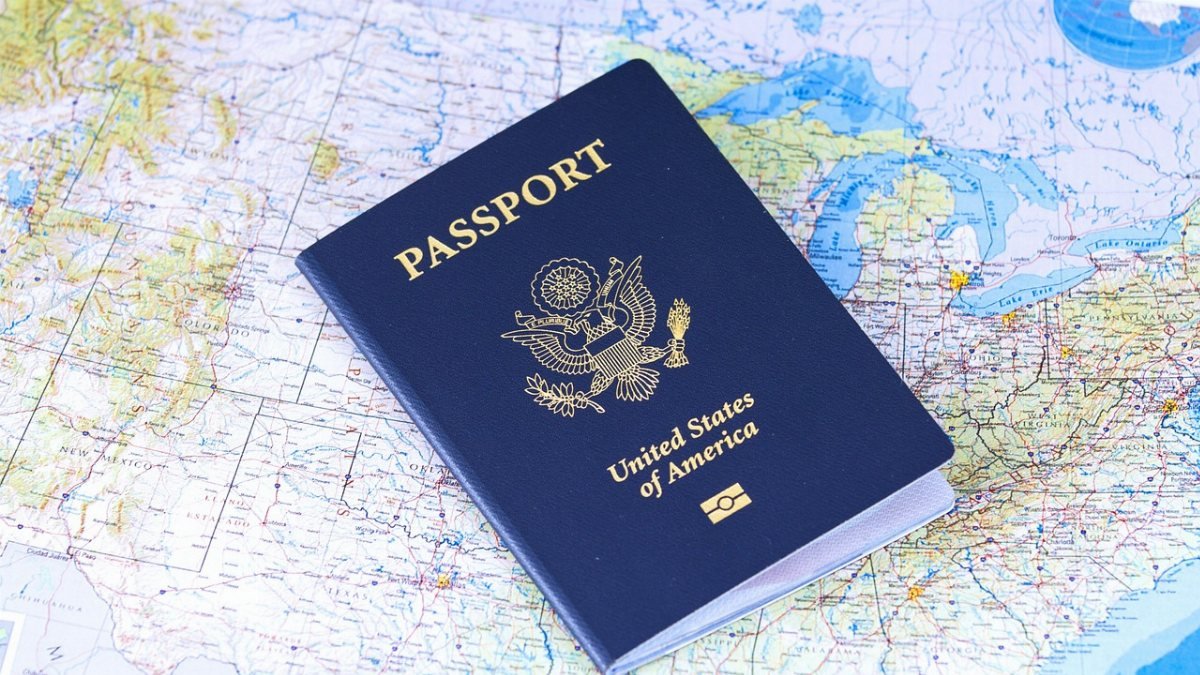
Before you pick a date or open a booking page, it helps to know exactly what the embassy or visa application centre is asking you to show. Most checklists are shorter than people expect, and the lines about onward or return travel are usually grouped under a heading about the trip itself, not under financial or accommodation documents.
Start by reading the checklist from top to bottom and marking every line that mentions travel. Look for wording such as "proof of onward or return travel", "flight itinerary", "travel reservation" or "confirmed booking". Each of these tells you the officer wants to see a plan for leaving the Schengen area, and that the plan is written down.
Take a student from Oran heading to a language course in Zagreb as an example. Her checklist asked for "flight reservation showing entry and exit dates", so she knew she needed a document with two dates on it, not a receipt for something she had not yet decided on. Reading that one line first saved her from building the rest of her file around the wrong paper.
Note also whether the checklist asks for the reservation to be in your own name, whether it wants a particular format, and whether it says the document can be printed or must be shown on a phone. Write these down. They shape every step that follows.
Step two: Choosing your travel dates from Algeria
Your dates are the backbone of the whole file. An officer reads your entry date, the length of your stay and your exit date together, and if the three do not line up, the application raises questions even when every document is in order. The aim is a single, consistent story from the first day of travel to the last.
Start with the entry date. This is the day you arrive in Croatia, and it should match the outbound flight you plan to book. Choose a date that gives you a little breathing room before any appointment, school start or event you need to attend, rather than the very earliest day you could leave Algiers.
Next, decide on the length of stay and count it carefully. Write the number of nights you intend to be away, then work forward from the entry date to find the exit date. Keep the arithmetic simple and check it twice, because a stay that reads one day longer in your form than in your reservation will look like an error.
Here is a realistic case. A Algerian graduate from Oran is applying to attend a summer course in Zagreb that runs for three weeks from early July. She sets her entry date a few days before the course opens, so she has time to settle in, and her exit date a few days after it finishes. Her form, her outbound reservation and her onward reservation all show those same dates, and her cover letter from the course mentions the same period.
Finally, look at your dates against any other documents you hold, such as accommodation bookings and the purpose of the trip. If something in your file runs longer or shorter than the rest, adjust it now rather than explaining it later.
Step three: What a flight reservation is and is not
[[img:2]]
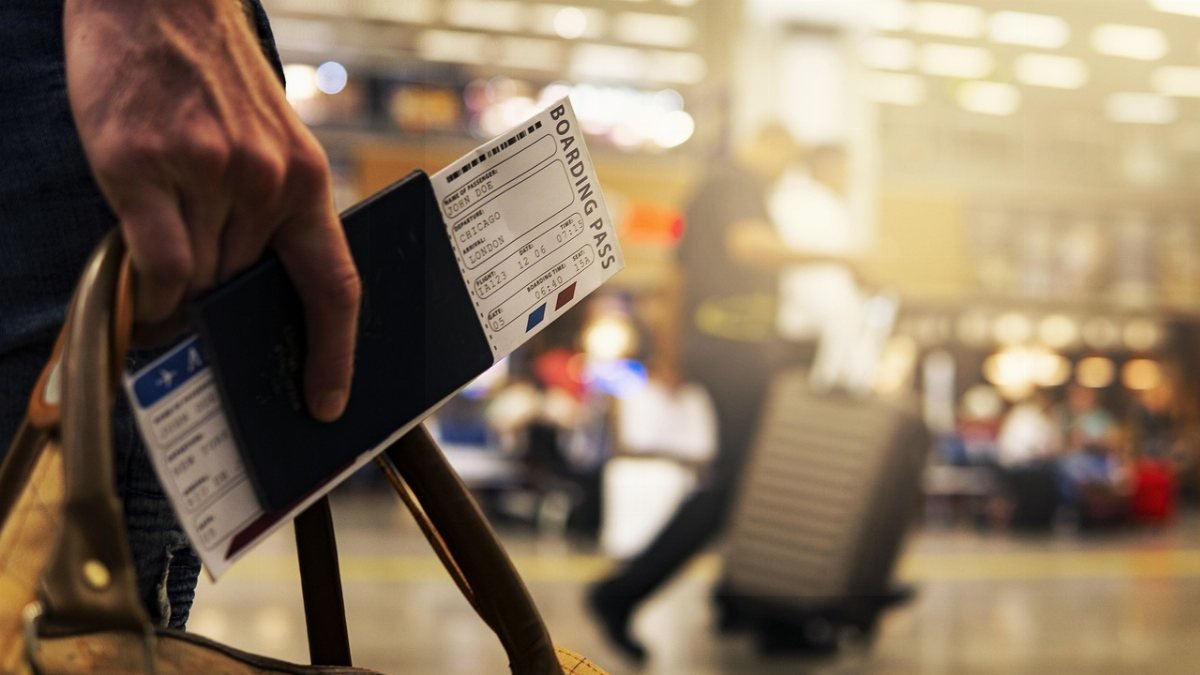
A flight reservation is a booking record held by an airline or travel agent. It shows the flights you intend to take, the passenger names, the dates and times, and a booking reference, usually a short run of letters and numbers. You can check that reference on the airline's own website, which is one reason it carries weight with officials: the details can be confirmed rather than taken on trust.
It is not the same thing as a purchased ticket. A reservation can be held with the flight not yet paid for, and it may expire if payment is not made by a set date. Some reservations are cancelled automatically if they are not confirmed, so it is worth reading the terms and noting that date. A reservation proves a planned journey; it does not by itself prove you have bought a seat.
Take a student from Algiers who has been offered a place at a university in Zagreb. Her application asks for proof of onward travel, meaning evidence she will leave the Schengen area when her stay ends. She books a flight reservation from Zagreb to Algiers, with the reference clearly showing her name and the travel dates, and she keeps the record ready to present.
Words people search for, such as dummy ticket or dummy flight ticket, usually point to this same need: a real, verifiable booking with a reference. What you should expect is a genuine reservation you can check, not a document made to look like a ticket. The embassy decides what it accepts, so treat the reservation as one part of your file, not a promise of approval.
Step four: Booking a flight reservation for visa use
Once you know what you need, the practical job is to request a real reservation from an airline or a booking service that issues one. Start by choosing the route you plan to fly out on, the date you intend to leave Croatia, and the number of passengers. Have your passport details exactly as they appear in the photo page, because a name that differs by even one letter can cause a problem when the airline checks the record.
Next, make the reservation and note the booking reference, which is usually a short code of letters and numbers. Ask for the itinerary to be sent as a document showing the flight numbers, departure and arrival airports, times and the reference. If you are travelling from Algiers, for example, you might be booking a return from Dubrovnik or Zagreb, and the itinerary should show that the departure from Croatia comes after the dates you have given in your application.
Before you rely on it, check the reference yourself. Go to the airline's website or call its customer service, give the booking reference and your surname, and confirm the flight details match your document. A reservation that the airline can confirm is far more useful than one you cannot verify.
Keep in mind that a reservation holds a seat for a set period and may need to be paid for or confirmed by a deadline, so read the terms before you commit. Where a reservation is cancelled or changes, update your file promptly rather than submitting outdated information.
Step five: Pairing the reservation with your other papers
[[img:3]]
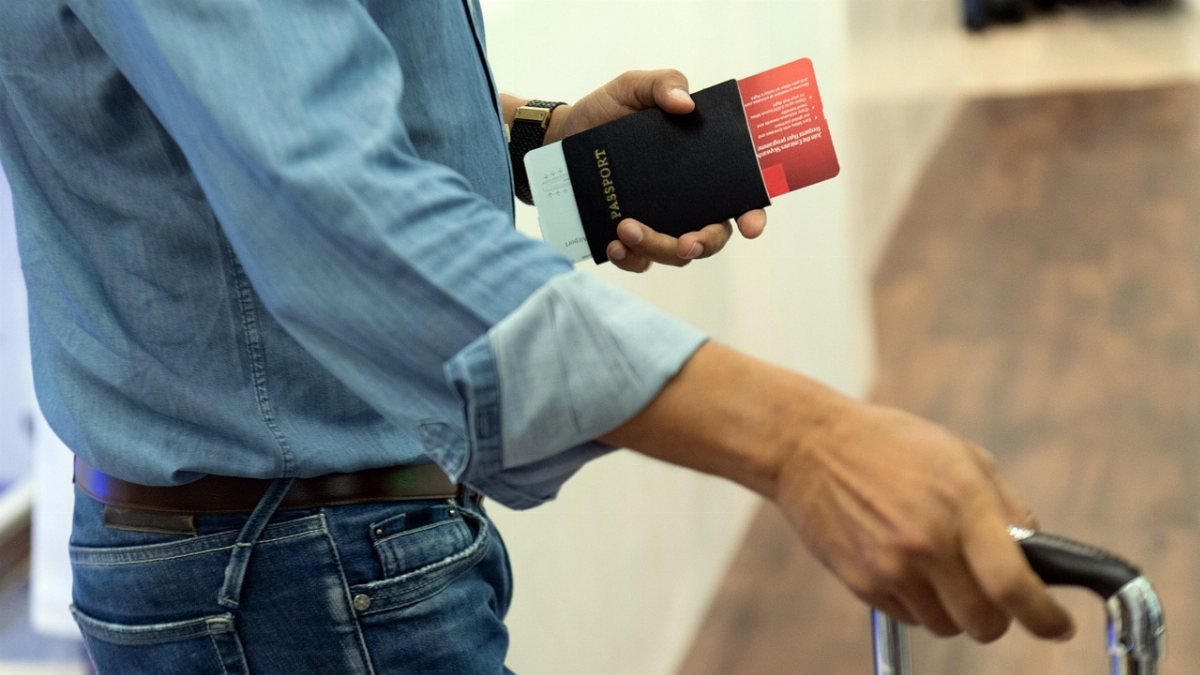
Your flight reservation is only one part of the picture. Consular staff usually look at the whole file together, so it helps to see how each document supports the others. The reservation shows when you intend to leave the Schengen area; the other papers show where you will stay, how you will cover costs and who is expecting you.
A hotel booking or accommodation confirmation should match the dates on your reservation. If you are staying in Zagreb for four nights and then flying out of Dubrovnik, make sure the hotel dates and the flight dates line up without gaps that would raise questions. A parent visiting a child studying in Split, for example, might attach a short letter from the family plus proof of the flat or hotel where they will stay.
Travel insurance covering the whole stay is normally expected, and its dates should cover the full trip, including the day of departure. Bank statements should show that you can meet the costs of the trip, and recent entries should be consistent with the income you describe on your form. Where an invitation letter is part of your file, its dates and addresses should also match everything else, so a small mismatch in spelling or dates is worth correcting before you submit.
Before you send anything, lay all the documents side by side and check names, dates and addresses one by one. Consistency across the file tends to matter more than any single page. If anything is unclear, ask the relevant consulate or visa centre to confirm what they want rather than guessing.
Algerian applicants: which office should you ask about the rules?
For Algerian travellers, the first question is always which office holds the rules for your particular application. Croatia's visa requirements are set by the Croatian authorities and applied through the consulate or external visa service handling applications from Algeria, so the details you read on a general travel forum may be out of date or simply not apply to your file. Start with the official Croatian diplomatic mission information for Algeria and check whether applications are lodged directly or through an appointed visa centre. Note the date you looked, because requirements can change.
A practical example helps. Suppose a student from Oran is applying for a short study visit and plans to fly out of Zagreb after a summer course. Her university's international office may know the typical documents for students, but the final list she must bring comes from the mission or visa centre that will decide her case. If her university advice and the consulate's checklist differ, the consulate's version is the one to follow.
When you contact an office, keep your questions specific. Ask whether an onward or exit flight reservation is required, whether it must show a particular date range, and whether they accept a reservation rather than a purchased ticket. Quote your planned entry and exit dates so the reply relates to your situation. Save written answers, and if you phone, note the name of the person and the date of the call.
Remember that the consulate or visa centre has the final word on your file. A helpful adviser, a booking service or a travel agent can explain the general picture, but none of them can approve or promise a visa. Following the officially stated rules, and asking the office when something is unclear, is the surest way to keep your application straightforward.
Step six: Sending your file and keeping a copy
Once your documents are complete, the way you send and store them matters almost as much as what they say. A tidy file is easier for any visa office to review, and it saves you from a last-minute scramble if something needs to be checked again. Start by putting every document into a single folder on your computer, with one clearly named file for each item, such as "flight-reservation-Algiers-Zagreb.pdf" or "travel-insurance-certificate.pdf". Keep the names short, consistent and free of spaces where you can.
Next, print or save a copy of each page you will submit, and check that every page is complete, legible and in the order the application form lists them. A reservation printout that cuts off the booking reference, or a scan with a shadow across the name, can cause avoidable delays, so look at each page as though you had never seen it before. Keep the original documents separately in a plastic wallet, and make a second copy of the whole file that you store somewhere safe, such as an email to yourself or a cloud folder you can reach from anywhere.
Take a real example: a student from Oran planning to join a course in Zagreb might keep one folder titled with her name and the application date, containing her reservation, accommodation confirmation and course letter, each with a matching number on her checklist. If the office later asks her for a particular item, she can find it within seconds. Before you send anything, read the submission instructions on the official site for your application route, since requirements about format, file size and how originals are handled can differ. Keep a dated record of what you sent and when, and hold on to it until your decision has arrived.
What to check before you book your flight reservation
Before you pay for anything, it helps to read your booking record slowly and compare it line by line with your passport. Most problems with a flight reservation come from small mismatches rather than from anything dramatic, and they are easy to catch if you look for them. Treat this as a final proof-reading step, not a formality.
Check that your name matches your passport exactly, including the order of names, any middle name, and any accents or transliterations. A reservation booked as "Yasmine Benali" will look different to an officer if your passport reads "Yasmine Ben Ali", so copy the spelling from the data page rather than from memory. Check your date of birth and passport number too, since these are often typed in by hand.
Next, confirm the dates and the direction of travel. Make sure the departure date falls within the period you intend to stay, and that the return or onward leg is the right way round and not swapped. Look at the time zone and the day, because a late-night flight that crosses midnight can show up as the wrong date on paper.
For a real-life example, imagine a student from Oran planning a short course in Zagreb whose reservation lists the departure from Zagreb on the wrong day of the month. Nothing about the trip itself is wrong, but the paperwork no longer tells the same story as the rest of the file, which is exactly what a reviewer notices first. A single correction before submission avoids that confusion entirely.
Is an exit ticket for Croatia the same as a paid flight ticket?
Not necessarily; many applicants need a flight reservation with a booking reference, which is a real airline record, rather than a paid ticket.
What is a PNR and why does it matter?
A PNR is the booking reference code that lets the airline or an official confirm your reservation.
Can I use a flight reservation for visa applications from Algeria?
Many applicants do, provided the details match their passport, dates and other documents; confirm the acceptable format with the embassy.
What is the difference between an onward ticket and a return ticket?
An onward ticket takes you out of the country to another destination, while a return ticket takes you back to where you started.
Where can I book a verifiable flight reservation for my visa?
You can book a flight reservation for visa use through 247Booking.Shop, which provides a real booking record with a reference code.
Is a flight reservation the same as a ticket?
No. A reservation is a booking record with an airline reference. A ticket is paid for and lets you fly.
Please note
A flight reservation is not a ticket and does not guarantee a visa. The embassy or visa centre decides, and its rules change. Follow the official checklist for your application. We are independent and not affiliated with any airline or embassy.
Ready to order?
£18.00 one way or £18.00 return, per traveller. Delivered within 2 hours.
Short answer: An exit ticket for Germany is the proof of onward or return travel that shows you plan to leave the Schengen area when your stay ends. Most Pakista...
Short answer: An onward flight for Canada is a real booking record showing you plan to leave Canada on a set date, and it can be useful evidence for your visa or...
Short answer: An onward ticket for Hungary is a flight reservation showing you plan to leave the Schengen area on time, and many Jordanian applicants include one...