Onward Flight for Canada Turkish Travellers Need to Know
An onward flight for Canada is a real booking record showing you plan to leave Canada on a set date, and it can be useful evidence for your visa or entry paperwork. It is a flight reservation with a booking reference, not an issued ticket, and the final decision on what proof you need rests with the Canadian visa office or the border officer. Check the current requirements on the official Canadian government website before you apply.
A flight reservation holds a seat with a booking reference, usually called a PNR or record locator
it is not the same as a paid e-ticket with a ticket number
the visa office or border officer decides what evidence is enough
your itinerary should match your passport name and dates exactly
keep the reference and itinerary with your application copies
What is an onward flight for Canada?
[[img:1]]
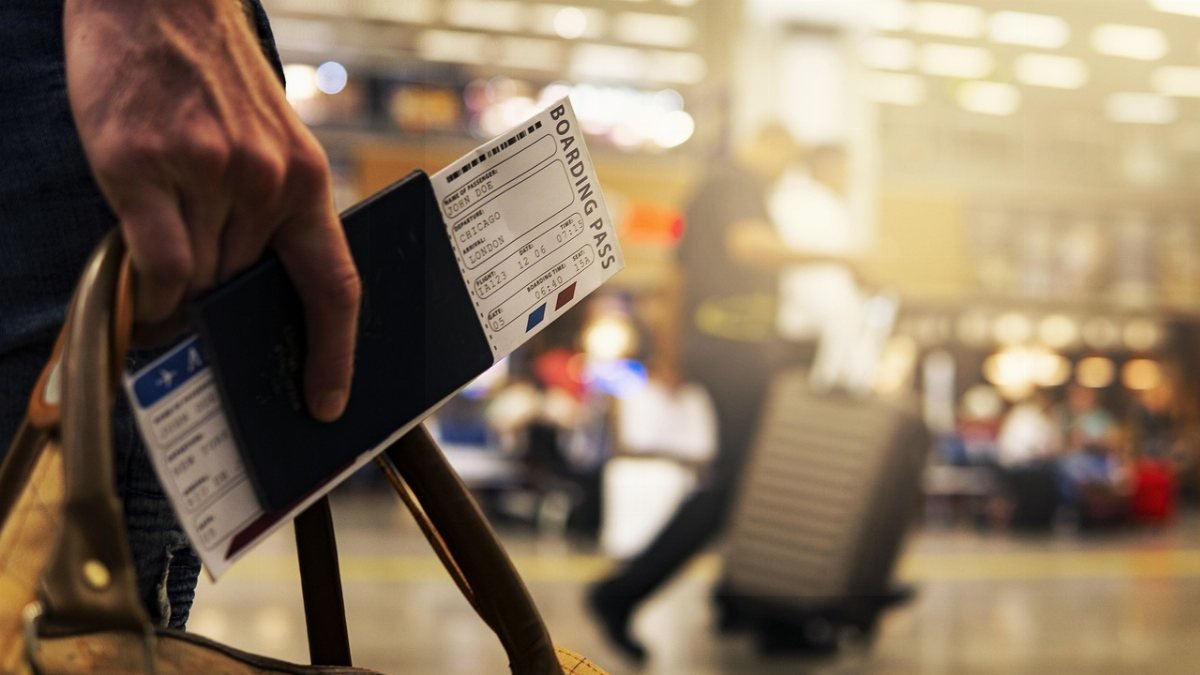
An onward flight is simply a booked flight that takes you out of the country you have visited, usually back to your home country or on to another destination. When people ask for onward flight proof for Canada, they want to see that your stay has a planned end date and that you intend to leave once it finishes. It is one of the ways a visitor shows they are travelling for a temporary purpose rather than planning to settle.
Some travellers are asked for this because the officer or immigration process wants a clear picture of the trip. A Turkish citizen visiting Toronto for two weeks to see family, for example, may be asked to show a flight leaving Canada before the end of that period. Having the return journey already on record makes the purpose of the visit easier to understand at a glance.
It is worth being clear about what the proof does and does not do. An onward flight shows a plan; it does not by itself decide whether you are admitted or whether a visa is granted. Those decisions rest with the relevant authorities, and the rules they apply can change, so always check the current requirements for your own situation before you travel. A flight reservation that matches your dates, your name and your passport is a sensible way to present that plan clearly.
Flight reservation or e-ticket: what is the difference?
A booking reference and a paid ticket are easy to confuse, because both come from the same airline and both show your name, your route and your dates. The difference lies in what each one proves. A **flight reservation** is the airline's record that a seat has been held for you on a specific flight, and it comes with a booking reference, usually a short code of six letters and numbers. A **paid ticket**, often called an e-ticket, is the same record after payment has been completed and the airline has issued a ticket number linked to your booking.
For example, imagine a student from Izmir who has been offered a place at a university in Toronto and needs to show an onward plan from Canada back to Turkey. She might hold a reservation for a flight leaving Toronto three weeks after her course is due to finish. The reservation shows the route, the date, the flight number and her name exactly as it appears in her passport, which is what a reviewer usually wants to see at this stage.
A reservation is not the same as a receipt. It shows what is planned, not that money has changed hands, and some airlines hold a reservation only for a limited period before it is released. Paying for the ticket, or keeping an unpaid reservation alive, is a separate decision that depends on the airline's own terms. Checking the booking status on the airline's website, and making sure the reference opens to the correct itinerary, is a simple way to confirm what you actually have.
Whichever you choose, the important thing is that the document is genuine, traceable to the airline and consistent with the rest of your application. On 247Booking.Shop you can reserve a flight for visa use and receive a real booking reference that you can check directly with the airline.
Can a Turkish citizen use a flight reservation for a Canada visa?
[[img:2]]
Many Turkish applicants wonder whether a flight reservation is enough when they apply for a Canada visa, and the honest answer is that it depends on what the visa office asks for in your particular case. A reservation is a real airline booking record with a reference number, and it shows a planned onward or return journey. Whether you are asked to present one, and in what form, is set by the Canadian authorities and can change, so it is sensible to check the current requirement before you submit anything.
Turkish travellers often present a reservation alongside the rest of their paperwork, such as a letter explaining the purpose of the trip and proof of funds. A family travelling from Istanbul to Toronto to visit a daughter who lives in Mississauga, for example, might include a flight itinerary showing the outbound and return legs. The reservation supports the story of a short, planned visit, but it does not replace the other documents the visa office reviews.
Before you rely on any single document, confirm the requirement with the visa office or the official guidance published for your application type. Requirements for Turkish nationals can differ from those for other nationalities, and guidance can be updated, so the official source is always the one to trust. If you are unsure, ask the office directly or consult a qualified adviser.
A reservation that is genuine, traceable to the airline and consistent with your passport details is the sort of record that tends to be easiest to explain. If you decide you need one, you can reserve a flight for visa use through 247Booking.Shop and receive a booking reference you can check with the airline yourself.
How to get a verifiable flight reservation for visa use
Getting a verifiable flight reservation starts with the passenger details, and these should be typed exactly as they appear on your passport. Use the same spelling of your name, the same date of birth and the same passport number you will show at the embassy. Choose a route and date that fit the plan you describe in your application, and make sure the booking is for a real flight that operates on that date.
Once you have a booking, you receive a reference code, often called a PNR (passenger name record), which is the six-character code the airline uses to find your record. Keep this code and the confirmation email together, and check that the airline name, flight number, departure time and arrival airport are all correct. If anything looks wrong, ask for a correction straight away rather than waiting until you are due to travel.
Here is a practical example. A student from Ankara heading to Toronto for a September term might reserve an Istanbul to Toronto flight a few weeks ahead of the visa interview. She would enter her name exactly as printed on her passport, then store the PNR and itinerary in a folder with her admission letter. If an officer asks, she can say the reservation exists and give the reference, and the airline can confirm it on its own system.
A few points are worth checking before you rely on a booking. Confirm that the reservation is still active, because some airlines release unpaid bookings after a set period. Also note that a reservation shows a planned trip rather than a purchased, fully ticketed journey, so keep your wording honest when you explain it.
If you would like a verifiable flight reservation for your visa paperwork, you can book one through 247Booking.Shop and receive a booking reference you can check with the airline yourself.
What details must match your passport
[[img:3]]
Your flight reservation is only as useful as the details inside it, and those details need to line up with your passport exactly. Airlines check names against the passport when you check in, and embassy staff often compare the itinerary with the rest of your application. A small difference, such as a missing middle name or a swapped day and month, can create questions that take time to resolve.
Start with your name. Copy it from the photo page of your passport, letter for letter, including any accents or hyphens, and keep the order of your given names and surname the same. If your passport shows a name in Turkish characters, use the Latin spelling printed in the machine-readable zone at the bottom of the page, since that is the version airlines read. Dates should also follow the passport: write the day, month and year in the same order and check that your date of birth matches.
The departure airport needs equal care. Choose the airport you will actually fly from, not the nearest city name, because two airports in one city can carry very different routes and times. For example, a student flying from Istanbul to Toronto should check whether the reservation shows Istanbul Airport (IST) or Sabiha Gökçen (SAW), and pick the one that matches the ticket and boarding plan they intend to use.
Before you finish, read the reservation side by side with your passport and your visa form, and correct anything that does not match. If you need to change a name after booking, contact the airline early, as rules vary by fare.
Airline hold versus reservation: what to know
An airline hold is a temporary reservation that an airline or booking system places on seats for a short period, so that a fare can be kept while you decide. It is not yet a finished booking. A hold usually carries a deadline, and if payment is not completed before it expires, the seats are released and the record disappears. For that reason, a hold on its own is not the kind of document to show an embassy as proof of your onward travel.
A confirmed reservation is different. It has a booking reference, the flight details are fixed, and the record shows the booking has been paid for and issued in the normal way. When a visa officer or a border officer asks about your plans to leave Canada, a confirmed reservation is easier to explain because it reads as a settled plan rather than an unfinished one.
Consider a Turkish student from Ankara who finds a good fare to Toronto and places a hold while she checks her term dates with her university. She then waits two days to pay, and the hold expires. If she had paid and received a confirmed reservation with a reference, she would have a stable record to attach to her application instead of a booking that no longer exists.
Before you rely on any record, check its status with the airline or the booking service and make sure it shows as confirmed rather than held. If you are unsure which you have, ask for a written confirmation of the booking reference. If you would like a verifiable flight reservation for your visa application, you can book one through 247Booking.Shop at your own pace, so that your onward travel record is clear and ready before you submit your paperwork.
Where to find the official rules before you apply
Rules for visitor and transit travel to Canada can change, and the most reliable place to check them is always the official source. For a Turkish citizen, that means the Government of Canada's own immigration pages, which set out the current entry requirements, what a visitor visa or electronic travel authorisation involves, and what officers may ask to see at the border. Read those pages with the date of your intended trip in mind, because guidance is updated from time to time and an older article or forum post may no longer match.
For applying from Turkey, the practical starting point is the visa application centre that handles Canadian applications in your country. It will explain the current document checklist, how to submit biometrics, which forms are needed, and how to book an appointment. Staff there can also tell you how they want supporting papers presented, such as whether they expect printed copies or a particular order of documents. Call or check their official website before you finalise your folder, not after.
Consider a student from Izmir who is applying for a study permit to join a university in Toronto, with a short onward trip planned to Montreal in the same month. Her agent suggested one set of rules, but the official Canadian pages and the visa centre's checklist gave her the precise wording on what proof of onward travel should show. Checking both sources meant she could build her folder once, rather than sending a second set of papers later.
Keep a note of the page addresses you used and the date you read them. If anything you read conflicts with what a friend or website says, follow the official guidance and ask the visa centre to confirm. Your flight reservation, once you have one, should fit those rules, so reading them first makes the next step much simpler.
Documents to keep with your onward flight proof
Think of your onward flight proof as one part of a small folder rather than a document that stands alone. Officers reviewing a Canada application generally look at the whole picture, so keeping the supporting papers organised and easy to find helps you answer questions calmly. The list below covers the items most applicants gather alongside their flight reservation, though the official guidance for your application always has the final word on what is required.
**Invitation letter**: if you are visiting family or friends in Canada, keep a signed letter from your host with their full name, address, relationship to you and the dates of your stay.
**Accommodation details**: a hotel confirmation or the address where you will stay, along with a copy of the host's status document if they are a resident or citizen, where applicable.
**Proof of funds**: recent bank statements or other evidence showing you can cover your trip, kept in the same format and currency your bank provides.
**Employment or study evidence**: a letter from your employer or proof of enrolment, showing you have reasons to return to Türkiye.
**Itinerary summary**: a one-page list of your planned days, which pairs neatly with your flight reservation and makes your trip easy to follow.
For example, a father from Ankara travelling to Toronto to meet his daughter might bring his daughter's signed invitation letter, her address with a copy of her proof of residence, his bank statements and a copy of his employment letter. Together these show a clear, honest purpose and a reason to leave Canada on the booked date.
Common mistakes to avoid before you book
Before you pay for anything, it helps to step back and check the small things that most often cause trouble. The most common slip is a wrong date. A booking that leaves on the 14th when your plan says the 12th can make an officer question the whole application, so compare every date against your travel plan, your accommodation and any letters you are sending with it. The same goes for the return: if you plan to stay until the end of your permitted period, a reservation for three days later can look like a mismatch.
Names are the second trap. Your name on the reservation should match your passport exactly, including the order of names and any middle names, and it should be written in the Latin alphabet as it appears on your passport. A Turkish traveller whose passport reads one spelling and whose booking uses an older or shortened form may need to explain the difference, so it is far simpler to get it right at the start.
Timing matters in both directions. Booking too early means the reservation may need changing if your plans shift, and you may end up with a record that no longer fits your dates. Booking too late can leave you without a current, verifiable record when you need one. For most people, it makes sense to book once your application dates are settled and the travel plan is firm.
Consider a student from Ankara who plans to study in Toronto from September. Her course starts on a fixed date, so she checks her offer letter, her passport spelling and her accommodation dates first, and only then books a reservation that matches them. If you would like a verifiable flight reservation for visa use, you can book one on 247Booking.Shop, and it is worth checking every detail against your plans before you submit your application.
Do I need an onward flight for a Canada visa from Turkey?
It depends on your visa type and the office's current requirements, so check the official Canadian source before you apply.
Is a flight reservation the same as a ticket?
No, a reservation is a booking record with a reference, while a ticket is a paid, issued document with a ticket number.
What is a PNR on a flight reservation?
A PNR, or passenger name record, is the booking reference code the airline uses to find your reservation.
Can I cancel my flight reservation after my visa is approved?
Cancellation rules depend on the booking type, so read the terms carefully and check with the airline or reservation provider.
Where should I start if I am unsure what proof to send?
Begin with the official Canadian government guidance and the Turkish visa application centre, then ask them directly about acceptable evidence.
Is a flight reservation the same as a ticket?
No. A reservation is a booking record with an airline reference. A ticket is paid for and lets you fly.
Please note
A flight reservation is not a ticket and does not guarantee a visa. The embassy or visa centre decides, and its rules change. Follow the official checklist for your application. We are independent and not affiliated with any airline or embassy.
Ready to order?
£18.00 one way or £18.00 return, per traveller. Delivered within 2 hours.
Short answer: An exit ticket for Germany is the proof of onward or return travel that shows you plan to leave the Schengen area when your stay ends. Most Pakista...
Short answer: An onward ticket for Hungary is a flight reservation showing you plan to leave the Schengen area on time, and many Jordanian applicants include one...
Short answer: An onward flight for Belgium is a real flight reservation showing you will leave the Schengen area on a set date, and it is one piece of evidence a...