Exit Ticket for the UK: How Vietnamese Travellers Prove Onward Travel
Many Vietnamese applicants are asked for an exit ticket, which is simply evidence of how and when you plan to leave the UK. A flight reservation with a real booking reference is the usual way to show this, but it is not a visa guarantee, and the embassy or visa application centre makes the final decision on your documents.
An exit ticket is evidence of onward or return travel, not a purchased ticket you must fly on
A flight reservation is a real airline booking record with a reference code, which you can check with the airline
Only the embassy or visa centre sets the final document rules for your application
Your reservation dates should match the length of stay you describe in your application
Keep your booking details consistent with your passport name and spelling exactly
What an exit ticket means for a UK visa
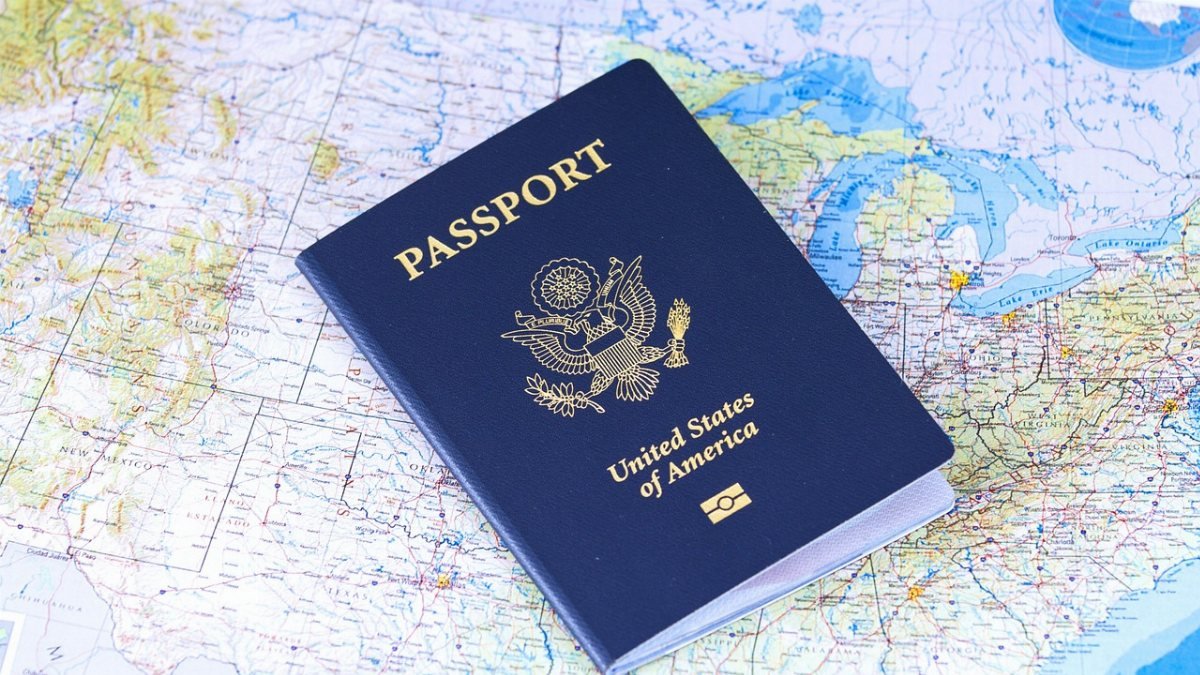
[[img:1]]
An exit ticket is simply the proof that you intend to leave the UK when your permitted stay ends. Many people use the phrase, but what the visa decision-maker really wants to see is a plan that matches your visa category. For a visit, that usually means showing you will return home or continue your travel once your trip is finished, so the application makes sense on its own terms.
Think of it as one piece of a larger picture. Your visa application also covers why you are coming, how long you plan to stay, where you will live, and whether you can cover your costs. A flight that leaves the UK on a date consistent with those answers supports the rest of your file, whereas a return date that conflicts with your stated purpose can raise questions.
Take a Vietnamese mother from Hanoi visiting her daughter in Manchester for three weeks. Her application explains the visit dates, the accommodation, and the family ties. A flight reservation leaving Manchester a day or two after the stay ends, from a booking she can verify with the airline, lets the caseworker see the trip has a clear beginning and end.
The embassy makes the final decision, and a reservation cannot guarantee an outcome. What it does is show that your plans are real and organised.
Flight reservation versus a purchased ticket
Many people searching for an exit ticket for the UK vietnamese, or a dummy ticket, are really looking for proof of a planned journey out of the country. What they usually need is a flight reservation: a real booking record held with an airline, with its own reference code. It is worth understanding the difference before you spend anything, because the two things look similar on a screen but serve different purposes.
A purchased ticket means the fare has been paid in full and the airline has issued the ticket for travel. A flight reservation is a booking held against a seat on a specific flight, usually with a booking reference that the airline can look up. For a visa application, the reservation is often the more useful document, because it shows the planned route and dates without tying you to a fare you may not need to pay yet. The reservation confirms that a flight exists and that you have a place on it.
A reservation does not mean you are obliged to fly on that date, and it does not stand in for a ticket if you are actually travelling. Think of it as a verifiable record of a plan, not a promise of a particular outcome. For example, a student from Hanoi who is applying for a short course in Manchester might hold a reservation from Hanoi to London with the return leg set for a later date, and show it as evidence of a complete journey. Its value comes from being genuine and checkable, which is why it helps to ask the airline or check the reference directly.
Booking a flight reservation for a UK visa from Vietnam
[[img:2]]
Booking a flight reservation for a UK visa from Vietnam is simpler when you work through it in a clear order. Start by deciding your outbound and onward dates, using the dates on your visa application and the length of stay you plan to declare. Leave a sensible margin rather than cutting it fine, because a reservation that ends the day your permitted stay begins will look odd to anyone reviewing your file.
Next, check every name exactly as it appears in your passport. Use the same spelling, the same order of names and the same date of birth, including any middle names printed in the passport's machine-readable zone. Even a small mismatch can cause problems at check-in, so it is worth reading the details twice before you confirm.
For a traveller from Ho Chi Minh City flying to London, a typical example would be an outbound flight on a set date with the return leg booked for a later date, matching a six-month visitor stay. Once the reservation is made, you will receive a booking reference, sometimes called a PNR, along with an itinerary showing the flights, times and passenger names. Save the reference, download the itinerary as a PDF and keep a copy with your other documents. You can also contact the airline to confirm the booking is live, which gives you a reliable record to show if you are asked about it.
If you would like to book a flight reservation for your visa application through 247booking.shop, you can do so here, and you will receive a genuine booking reference you can verify directly with the airline.
Matching your dates to your stay and purpose
Your flight reservation should tell the same story as your application. The dates on your booking need to match the length of stay you are asking for, and the purpose you have declared needs to make sense with the trip you have planned. A visa officer reading a short family visit alongside a return flight three months later will wonder why the two do not agree, so it helps to line them up before you apply.
Start with the purpose. A family visit usually means a stay of a few weeks, with the return leg falling on or shortly before the end of the visit you have described. A student coming to start a course should show an arrival date that is sensible for the course start, and a departure date that fits the course length and any official break you have planned. A short business or conference trip should have a return that reflects the length of the event, not an open-ended stretch.
Here is a common case. A student from Ho Chi Minh City joins a postgraduate course in Manchester starting in late September. Her reservation departs Tân Sơn Nhất and lands at Manchester in the week before enrolment, which gives her time to settle. Her onward or return leg is set for a date after her course ends, and her application states the same course dates. The two sets of dates agree, and nothing on the page needs explaining.
Leave a little room rather than booking to the day. If your visa date is not yet confirmed, a flight that departs a few days after the expected end of your stay is more believable than one that matches it exactly. Check your dates once more against your application form and any letter you are supplying, and keep them identical.
Students coming to the UK from Vietnam
[[img:3]]
For students heading to the UK from Vietnam, the course start date and the return flight are two halves of the same story, so they need to be presented together. An admissions officer or visa reviewer will usually look at your confirmation of acceptance for studies, your course dates and your travel plans side by side, and they should tell a consistent story. A flight that brings you in just before term begins, and a return that falls after your course ends, reads as a planned student journey.
Take a student flying from Ho Chi Minh City to London Heathrow ahead of a September intake. Her course starts on a Monday, so she books an arrival a few days earlier, leaving room to settle in and collect her accommodation keys. Her return flight from London back to Ho Chi Minh City is set for a date after her course's stated end, not during term, which makes the timeline sensible to anyone reading it.
Check that your arrival date allows time before your course start, not on the same day.
Make sure the return date does not fall before the official course end date shown on your papers.
Use the same spelling of your name and the same course title on the reservation and your study documents.
The reservation gives a booking reference and the scheduled flights, and it does not decide your visa. Keep your dates aligned with your letter of acceptance and your application form, and bring a copy of both to the visa centre.
If you are still choosing dates, you can **book a flight reservation** for your visa through this website, which gives you a real booking reference you can show with your course paperwork.
Flight itinerary and PNR: what the airline can confirm
A flight itinerary is the document that sets out your journey in plain detail: each flight number, the departure and arrival airports, the date and local time, the cabin class and the passenger name exactly as it appears on your passport. Read it from top to bottom and check that every name letter matches your passport and that the route runs the way you expect, from the UK out to your next stop. A single misspelt surname or a wrong date is the kind of small error that causes questions at the visa centre, so it is worth reading it carefully before you send anything.
The booking reference, often called a PNR (passenger name record), is a short code of letters and numbers that the airline uses to hold your reservation in its system. Because the PNR is tied to a real record, the airline can look it up and confirm that the booking exists, the passenger name, the flights and the dates. That confirmation is what makes the reference useful to an embassy reviewer, who can see that the booking is genuine rather than a document created for the application.
For example, a student from Hanoi travelling to Manchester might hold a reservation with a connection through a Gulf hub, where the outbound and return legs appear as separate lines with their own times. The airline can confirm the whole route from the single reference, including the onward leg from the UK, even though the itinerary runs across several flights.
A reservation holds a seat for a set period and is not the same as paying for a flight in full, so the airline may show a time limit on the booking. Check that limit against when you plan to submit your application, and keep the reference and itinerary together so you can give the airline's contact details if the visa centre asks.
Presenting your documents to the visa centre
When you go to the visa centre, the aim is simple: the person checking your file should be able to see your reservation, your passport details and your supporting letters quickly, and find that they all match. A tidy, consistent pack helps far more than a thick one. Put your documents in the order the visa application asks for them, and keep a spare printed copy of everything in case the officer needs one.
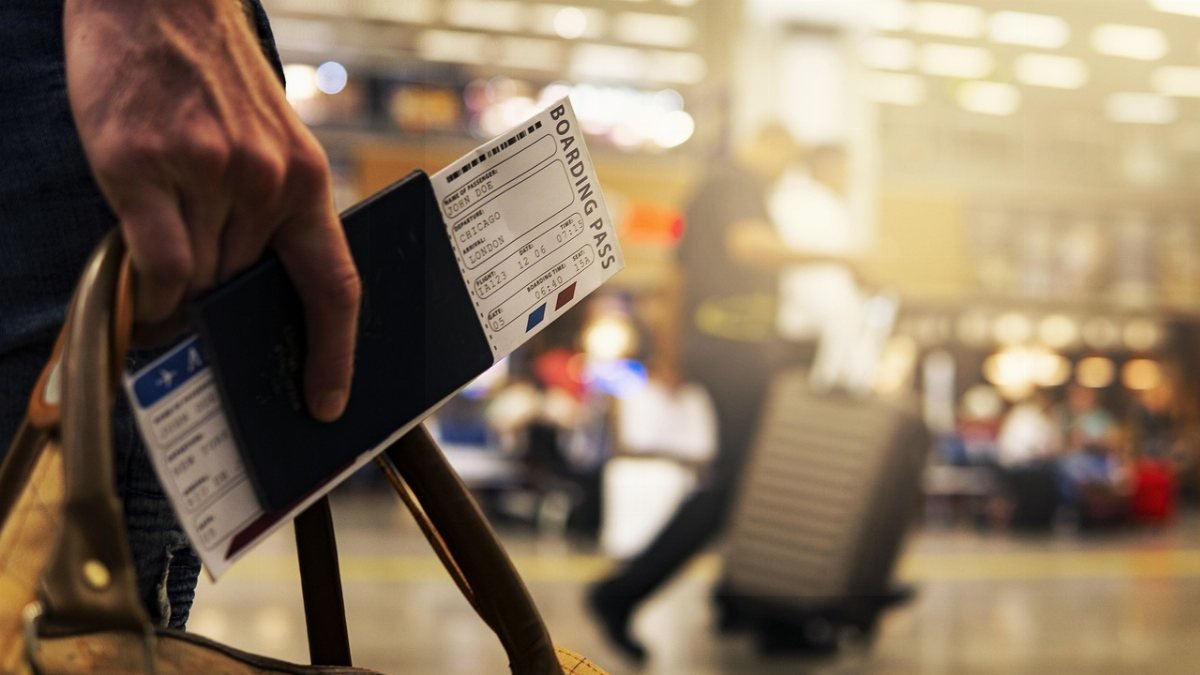
For a flight reservation, print the itinerary as issued by the airline, showing the booking reference (PNR), your full name exactly as it appears in your passport, the dates, and the flight numbers. Do not hand over an edited screenshot or a document you have retyped yourself. If the reservation was made online, a clear printout of the airline's own confirmation is what you want to present.
For passport copies, include the photo page and any page with a visa, stamp or endorsement that is relevant to your travel history. Make the copies clear and in colour where possible, and keep them in the same order as your originals.
For supporting letters, such as a sponsor or invitation letter, check that the names, dates and addresses match the reservation and the rest of your application to the letter. A small mismatch in a date or a spelling of a name can prompt questions you could have avoided.
For example, a Hanoi-based father applying to visit his daughter in Manchester might print his return reservation, his passport copies and her invitation letter, then check each name and date against the others before he leaves home.
Common mistakes and what to check before you book
Before you press the final button on a flight reservation, it is worth reading every line slowly, because small slips are the ones that cause the most trouble at the visa centre. The most common is a name that does not match the passport exactly. A middle name missing, a surname written in a different order, or a diacritic dropped from a Vietnamese name can make the reservation look like it belongs to someone else. Copy the name directly from the biographical page, character for character, and check it again against your visa application form.
Dates are the next thing to check. Confirm the day, month and year of departure, and make sure the return date sits within the period you have described on your application. Watch for date formats, since a booking that reads 04/05 can be taken as either 4 May or 5 April depending on the system. If your plans change, update the reservation rather than hoping nobody notices the difference.
Transit points are easy to overlook. A route from Hanoi to Manchester may pass through another city, and the connecting airport and flight numbers should all appear on the record. A reservation that shows only the first leg can leave a reviewer unsure how you intend to leave the country.
For example, a Hanoi-based father flying to Manchester who books a connection through Doha should see the Doha stop, the second flight number and the arrival time in Manchester all listed together, and the names should match his passport. Read the record once as a stranger would, and if anything puzzles you, ask the airline to explain it before you submit. Once every line agrees, you can book a flight reservation with 247Booking.Shop when you are ready.
It is evidence that you intend to leave the UK when your visit or course ends, usually shown with a flight reservation.
Is a flight reservation the same as a ticket?
No, a reservation is a booking record with a reference code, while a ticket is issued after payment; check what your application asks for.
Can I use a dummy flight ticket for my visa?
Be cautious: what most applicants genuinely need is a real flight reservation with a verifiable booking reference, and documents must be genuine.
How do I check if my flight reservation is verifiable?
Contact the airline with your booking reference and surname to confirm the booking exists and matches your details.
Where can I find the final rules for proof of onward travel?
Check the official UK visa guidance and your local embassy or visa application centre in Vietnam, as they set the final requirements.
Is a flight reservation the same as a ticket?
No. A reservation is a booking record with an airline reference. A ticket is paid for and lets you fly.
Please note
A flight reservation is not a ticket and does not guarantee a visa. The embassy or visa centre decides, and its rules change. Follow the official checklist for your application. We are independent and not affiliated with any airline or embassy.
Ready to order?
£18.00 one way or £18.00 return, per traveller. Delivered within 2 hours.
Short answer: An onward ticket for Belgium is proof that you plan to leave the Schengen area after your stay, and many Turkish applicants show it as a flight res...
Short answer: An exit ticket for Croatia is usually a flight reservation showing you will leave the Schengen area before your permitted stay ends, and it helps y...
Short answer: An exit ticket for Germany is the proof of onward or return travel that shows you plan to leave the Schengen area when your stay ends. Most Pakista...