Visa Itinerary for Poland: Flights and Hotel Plan for Colombian Applicants
A Poland visa itinerary for Colombian applicants is a clear, dated plan of your travel, usually including a flight reservation with a booking reference and accommodation details for your stay. It helps the visa officer understand your trip, but it does not decide the outcome, because the embassy or visa centre makes that decision on its own rules.
A flight reservation is a real airline booking record with a booking reference, not a ticket
An itinerary shows dates, route, and where you will stay in Poland
Your flight reservation should match your passport name and spelling exactly
Check the final documents list with the Polish embassy or visa centre serving Colombia
Booking a reservation here does not guarantee a visa, because the embassy decides
Step-by-step checklist before you start
[[img:1]]
Before you spend any money, it helps to work through your Poland itinerary in a set order. The checklist below follows the path most applicants take, from the first planning day to the moment you submit your file. Tick each step off as you go, and note anything that is still open.
Confirm the purpose of your trip, such as a family visit, a short course or a medical appointment in Poland.
Check the dates you plan to travel, and the number of days you want to stay.
Make sure your passport is valid for the whole trip and has enough blank pages.
Write your full name exactly as it appears in your passport.
List every city you plan to visit, for example Warsaw for two nights, then Kraków for three.
Gather the hotel or accommodation details for each night, or the address of the host if you are staying with family.
Decide on your entry and exit flights, then choose a date for each.
Check the official visa guidance for your situation, and note any document lists given by the authorities.
Keep a single folder, paper or digital, where every document for the application lives.
Review the whole itinerary once more with a fresh eye before you submit.
For example, a Colombian student heading to Kraków for a short summer course might plan Bogotá to Warsaw, then a train to Kraków, then a return flight home. Working through this list first shows the gaps early, such as a missing hotel for the second week.
What a flight reservation is and what it is not
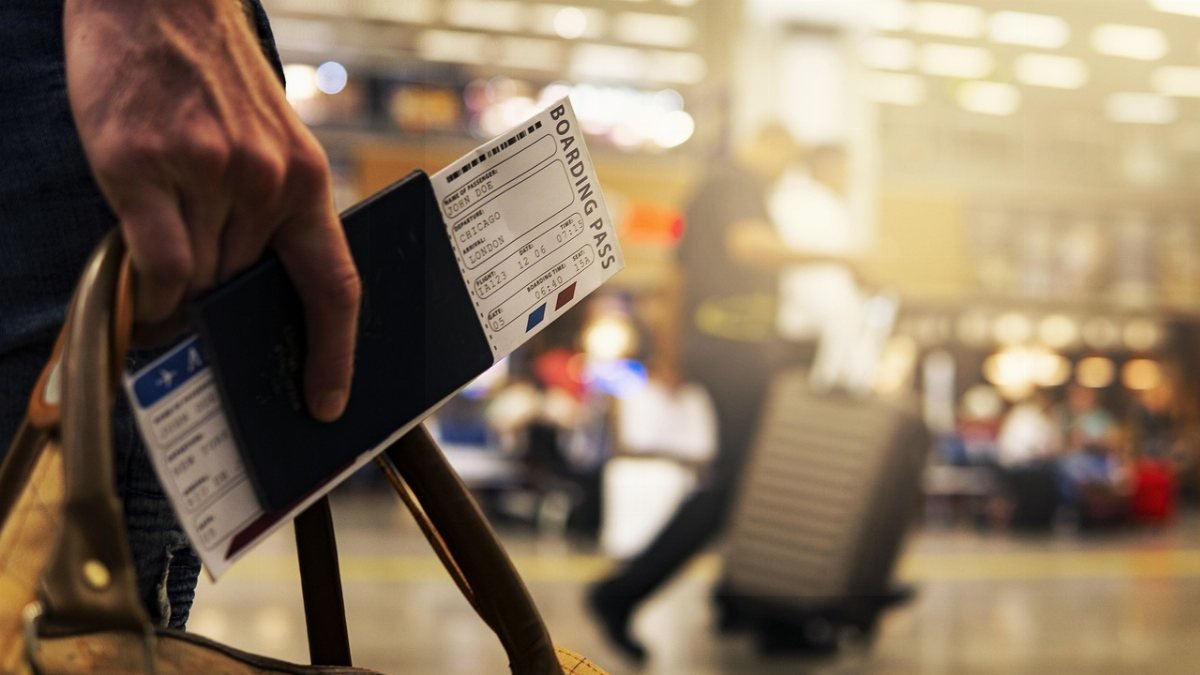
A flight reservation is a real booking record held by an airline or travel agent. It shows your name as it appears on your passport, the flights you intend to take, the dates and the airports, and it comes with a booking reference that the airline can look up. Think of it as a confirmed plan on paper: it tells an embassy reviewer that you have a specific journey in mind and that the details were set by an airline system, not written by hand.
What it is not is an issued ticket that has been paid for and used. A reservation can be held without full payment, and it may expire if the payment is not completed within the airline's time limit. It also does not, on its own, prove that you will board the plane, and it does not decide whether a visa is granted. That decision rests with the embassy, which weighs your whole application.
Even so, the reservation still matters. It gives the reviewer something concrete to check against your dates, your hotel bookings and your stated purpose of travel. A student heading from Bogotá to Warsaw for a September term, for example, can show a reservation that matches the start date on the university letter, and the two documents support each other.
Why does my name spelling need to match my passport?
[[img:2]]
Why does my name spelling need to match my passport? Every visa application is checked against your passport, and the flight reservation is one of the documents the reviewer compares with it. If the name on the booking differs from the passport in even one letter, the two papers no longer look like they describe the same person, and that can slow the review down. Small differences are easy to make when you type quickly, so it is worth checking each detail slowly before you pay.
Go through the passport page line by line and compare it with the booking. Check every letter of the given name and surname, including accents, hyphens and double letters, because a single missing character counts as a mismatch. Confirm the order of your names, since some Colombian applicants have two surnames and the booking should follow the passport exactly, not the way you usually write it. Then check your date of birth, using the same day, month and year as the passport.
Here is a common case. A student from Medellín who is named Ana María Gutiérrez Ospina might be tempted to shorten the middle name on the booking or drop the second surname because the airline form seemed to ask for one name only. The fix is to enter the full name as printed in the passport, even when the form looks unusual, and to keep a copy of the passport beside you while you type. If the booking already has a mistake, contact the booking service early so it can be corrected while you still have time to fix it.
Booking a flight reservation for your visa application
Booking a flight reservation for your visa application works best when the dates line up with the rest of your plan. Start with the length of your planned stay in Poland and the number of days you intend to be there, then choose an outbound and an onward date that reflect those facts rather than a round number that looks neat. A reservation that shows you leaving the Schengen area close to the end of your trip tells a consistent story, while one that conflicts with your hotel booking or your stated purpose invites questions. For a Colombian applicant travelling from Bogotá to Warsaw for a short family visit, for example, the onward leg might be dated for the day after your last planned night in Poland, with the hotel checkout matching that same date.
When you look at a reservation, check for a booking reference that the airline can confirm, a passenger name that matches your passport, and a route, date and times that are fully laid out. Keep a note of the reference and the airline's contact details so that anyone reviewing your file can check it independently. A reservation is a record of a seat you have requested and can be held or changed, so it should not be presented as a purchased, issued ticket unless that is what you have.
Before you finish, read the itinerary through once as if you were the reviewer. Make sure the dates, cities and times agree with your accommodation and your covering letter, and that nothing is left vague. If a date changes later, update every document that refers to it rather than hoping nobody notices.
TABLE onward flight reservation versus return ticket proof versus airline hold
[[img:3]]
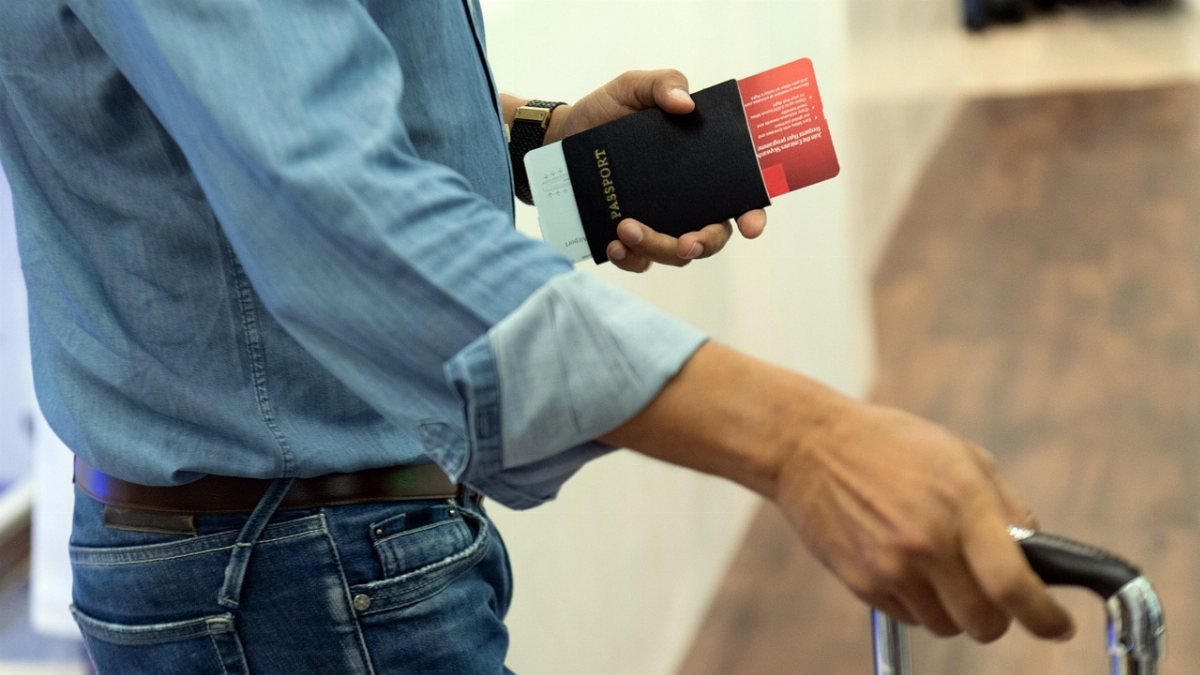
Visa applicants often hear three phrases used as if they meant the same thing: an onward flight reservation, proof of a return ticket, and an airline hold. They are related, but they are not interchangeable, and choosing the wrong one can leave a gap in an otherwise tidy application. The short version is that each one shows something different, lasts for a different length of time, and is wanted at a different stage of the journey.
An **onward flight reservation** is a real booking record with a booking reference, showing your departure from Poland to your next destination. It shows where you are going after your stay and that you have a plan to leave. It is usually the document a visa officer is most interested in, because it ties your trip to a real end date.
**Proof of a return ticket** is simply evidence that you intend to travel back to your home country, typically the reservation for the way home. Many people carry the same reservation document for both purposes, which is perfectly sensible when your onward journey is home.
An **airline hold** is a temporary reservation that the airline keeps open for a short window before it expires unless it is paid for. It shows that a seat has been set aside but does not confirm a finished booking. Because it can lapse, it is weaker evidence than a confirmed reservation, and it is rarely the best thing to submit.
For a Colombian applicant travelling to Poland for a family visit, a confirmed reservation for the flight out of Poland, leaving from Warsaw on the date your accommodation ends, is the document that usually does the job. A hold alone would leave the officer with an unfinished booking to question.
Hotel and accommodation plan for Poland
Your accommodation plan should tell the same story as your flight reservation. The easiest way to do that is to list every place you will sleep, in order, with check-in and check-out dates that line up exactly with your travel dates. A gap of even one night, or a booking that ends before your flight leaves, is the kind of thing an officer will notice and ask about.
For a hotel stay, a confirmed booking reference from the hotel or booking platform is usually what people present. Make sure the guest name matches the name in the passport, and that the room is booked for the full period you plan to be in Poland. If you change hotels partway through, list each one separately with its own dates, rather than leaving a blank.
If you are staying with family or friends, a letter from your host works well alongside your own dates. The letter should give the host's full name, their address in Poland, the dates you will stay, and a sentence or two about your relationship. Include a copy of the host's identity document if you can, and say clearly whether you will be a guest in their home or staying elsewhere.
Here is a realistic example. A Colombian student from Bogotá is travelling to Kraków for a short summer course, staying in a rented studio for three weeks and then spending two nights in Warsaw before flying home. Her plan lists the Kraków studio booking with its reference and dates, then the Warsaw hotel for the final two nights, and her onward flight reservation leaves Warsaw on the morning after the second night. Each piece connects to the next with no gaps.
Keep your plan simple and easy to check. Put it in one document with the dates in day-month-year format, and bring the original bookings or printed copies to any appointment.
Does Colombia need a special letter for a Poland trip?
What I can explain is how the supporting papers usually fit together, so you know what to gather before you talk to the consulate.
A sponsor letter is a short statement from the person paying for or hosting your stay. It should give the sponsor's full name, address, contact details and relationship to you, and say clearly who covers the costs. If a family member or friend in Poland is hosting you, an invitation letter from them is normally a separate document, and it helps to attach a copy of their identity document or residence permit as the consulate asks.
Financial documents show how the trip is funded. For a Colombian applicant this often means recent bank statements or a letter from your employer confirming your position and salary. Keep the figures consistent across every paper, because a mismatch between a letter and a statement invites questions.
For example, a Bogotá schoolteacher visiting a cousin in Kraków might bring a signed invitation letter from the cousin, a copy of the cousin's residence card, and her own bank statements showing she can cover the trip. Each document points to the same dates and the same accommodation address.
Check the exact list on the official consulate page before you print anything, and ask whether any document must be translated or legalised. Bring the originals and copies to your appointment.
Dates and timing for your itinerary
Your dates are the thread that ties the whole application together. If the flight reservation shows you arriving on the 12th, the hotel booking should begin that same night, and your appointment should sit comfortably before your departure. When any one of these three points to a different day, the reviewer will notice, and a small mismatch can lead to questions you would rather avoid.
Start with your appointment date, because everything else is built around it. Most applicants find it easiest to pick the appointment first, then set the outbound flight a few days before the planned trip, leaving room for the unexpected. Check the consulate's current guidance on how far in advance you can apply, as this varies and is set by the consulate, not by us.
For example, imagine a student from Medellín travelling to Kraków for a short course that begins on a Monday. She books an appointment on a Tuesday, a flight reservation from Bogotá arriving the previous Saturday, and a hotel for the first four nights. Her course start date, her hotel check-in and her flight all tell the same story, so nothing contradicts.
Keep your return or onward leg realistic too. A departure date that falls after your stated length of stay, or a hotel that ends a day before you fly out, invites confusion. Write the dates on one simple sheet first, then compare each document against it before you print anything.
If your plans shift, update every document together rather than changing only one. Once the sheet is consistent, you can book your flight reservation with confidence, knowing it lines up with your hotel and appointment. You can book a verifiable flight reservation for your visa application on 247Booking.Shop whenever your dates are settled.
Common mistakes to avoid before you book
Before you book anything, it helps to step back and check the small things that trip people up. Most problems with a visa itinerary are not dramatic. They are a date that differs by one day between documents, a surname missing a middle part, or a plan that does not fit the reason you have given for the trip.
Start with dates. Your flight reservation, hotel booking and appointment details should tell the same story. If your hotel confirms check-in on the 12th but your flight arrives on the 13th, a reader will notice, and you will need to explain it. Write your dates in one place first, then copy them carefully into every document.
Names are the second common slip. A typo, a missing accent, or a shortened middle name can make a perfectly genuine booking look like a different person. Compare every name letter by letter against your passport before you pay. For a family trip, do the same check for each traveller, including children.
Purpose of travel is the third area. If you describe a family visit but your plan shows a week of conference sessions, or you say you are a student but your itinerary has no link to a university, the mismatch stands out. Keep your plan modest and consistent with what you actually intend to do.
For example, a Bogotá-based applicant who planned to stay with a cousin in Kraków but booked a hotel in Warsaw for the first two nights could be asked to explain the change. Choosing one city and sticking to it avoids that question entirely. When your dates and details are settled, you can book a verifiable flight reservation for your visa application on 247Booking.Shop.
Is a flight reservation the same as a plane ticket?
No, a flight reservation is a booking record with a reference number, and a ticket is a separate issued document, so check what the embassy asks for.
Do I need a return flight for a Poland visa?
Many applicants show a return or onward plan, but the exact requirement is set by the embassy or visa centre, so confirm it there.
Can I change my flight reservation after I apply?
Changes depend on the airline and your reservation type, so keep your booking reference and speak to the airline if dates change.
Where can I check the latest documents list for Poland from Colombia?
Use the official Polish embassy or visa centre website and follow their current instructions.
How do I book a flight reservation for my visa itinerary?
You can book a verifiable flight reservation with a real booking reference through 247Booking.Shop, then check the details against your passport before you submit.
Is a flight reservation the same as a ticket?
No. A reservation is a booking record with an airline reference. A ticket is paid for and lets you fly.
Please note
A flight reservation is not a ticket and does not guarantee a visa. The embassy or visa centre decides, and its rules change. Follow the official checklist for your application. We are independent and not affiliated with any airline or embassy.
Ready to order?
£18.00 one way or £18.00 return, per traveller. Delivered within 2 hours.
Short answer: An exit ticket for Germany is the proof of onward or return travel that shows you plan to leave the Schengen area when your stay ends. Most Pakista...
Short answer: An onward flight for Canada is a real booking record showing you plan to leave Canada on a set date, and it can be useful evidence for your visa or...
Short answer: An onward ticket for Hungary is a flight reservation showing you plan to leave the Schengen area on time, and many Jordanian applicants include one...